B.10 Peerless Jenny King Site Case Study
Upper Tenmile Creek, Helena MT
Acknowledgements
The team would like to acknowledge David Reisman, David Shanight, and Angela Frandsen from CDM Smith who submitted the Peerless Jenny King (PJK) Biochemical Reactors Case Study.
B.10.1 Site Information
Contacts
The USEPA remedial project manager for the Upper Tenmile Creek Mining Area Site is Tillman McAdams. The site contractor is CDM Smith, and the project manager is David Shanight.
Angela Frandsen
CDM Smith
50 W. 14th Street, Suite 200
Helena, Mt 59601
406-441-1435
Name, Location, and Site Description
The Upper Tenmile Creek Mining Area site is located in the Rimini Mining District, southwest of Helena, Montana. It consists of numerous abandoned and inactive hard-rock mine sites that produced gold, lead, zinc and copper. Mining began in the district before 1870 and continued through the 1920s. Little mining has been performed there since the early 1930s. USEPA added the Upper Tenmile Creek Mining Area Site to the Superfund National Priorities List on October 22, 1999, due to mining waste problems in the 53-square-mile watershed. The small historic mining community of Rimini is located within the Superfund site boundaries. The site includes the drainage basin of Tenmile Creek upstream of the Helena water treatment plant and includes tributaries that supply water to the plant's five intake pipelines. USEPA identified 150 individual mine sites within the watershed boundary, of which 70 have been prioritized for cleanup. Many of these mine features are above the five City of Helena drinking water intakes, which supply about 50 percent of the city's water.
The Peerless Jenny King (PJK) project site is named after three mines in the area of the discharging adit. Most likely this draining adit was connected to the original Peerless Mine. The adit is the major flow in this area, but smaller seeps can be seen coming from both hillsides.
B.10.2 Chemistry
The PJK biochemical reactor (BCR)An engineered treatment system that uses an organic substrate to drive microbial and chemical reactions to reduce concentration of metals, acidity, and sulfate in mining-influenced water. was designed and built by Jim Gusek of Sovereign Consulting Inc., David Reisman, USEPA Office of Research and Development, and a small contractor crew from the on-site contractor, Envirocon. The entire system was designed and built in less than 30 days at the end of the field season in 2003.
The adit discharge chemistry varies throughout the treatment system. Water flows from the adit continuously, but the flows increase during the spring as snow melt percolates into the mine workings and the adit flow increases to above 70 gpm. During the summer season the flow is usually in the 5-10 gpm range, but can increase with storm events.
In general, PJK adit water quality has a pH ranging from 5.7 to 6.8, an average specific conductance of 324 μS/cm, and is consistently aerobic. The adit water is dilute acid drainage with relatively low levels of metals. On average, the water contains zinc (up to several milligrams per liter), iron (0.42 mg/L), aluminum (0.062 mg/L), copper (0.036 mg/L), nickel (0.0066 mg/L), and cadmium (0.0074 mg/L). Zinc is the primary metal of concern at the site.
B.10.3 System Design
The treatment layout was designed to take advantage of natural treatment processes already occurring at the site, and to allow for adequate metal removal treatment in the limited area available. The treatment layout, shown on Figure B.10-1, consists of an aerobic iron depositional wetland, a cascading connector channel with some limestone, and four BCR cells in series, followed by emptying of the BCR effluent either by draining from the fourth cellAn individual unit in a treatment system. or percolation into the groundwater. All of the effluent eventually enters a lower natural wetland area where additional deposition and precipitation occurs.
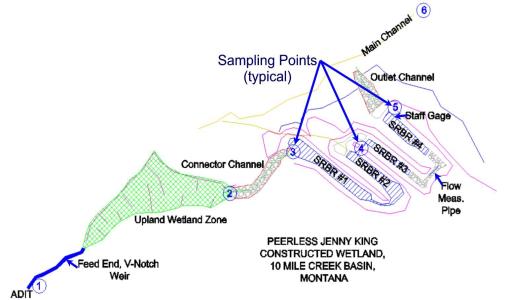
Figure B.10-1. Schematic of the PJK bioreactor.
Mine drainage exits the adit and flows through a wetland in order to provide pretreatment and precipitate iron oxides. Hay bales are used as baffles in the wetland to help slow the flow rate. Several metal removal processes occur in aerobic wetlands including:
- Precipitation as insoluble metal sulfides, carbonates, and hydroxides;
- Cation exchange and chelation with wetland soils;
- Sorption of metals to organic matterStrictly defined, compounds in which carbon is bonded to hydrogen. Generally describes decomposed biological residues and other organic compounds synthesized by organisms. and iron hydroxides;
- Metal removal via plant uptake.
Pre-treated water then passes through a channel before entering four compost-based serpentine sulfate-reducing bioreactors in series. The BCR cells use bacteria to treat the semi-acidic metal-laden water. The cells are filled with an organic media mixture, which includes shredded wood and manure. The depth of the compost varies from 2 ft to 3 ft in the four reactors. Dairy manure was used as the bacterial inoculum. The mine influence water (MIW) pH was determined to be high enough to preclude the need for limestone to protect the sulfate reducing bacteria from excess acidity. Sulfates are typically about 100 mg/L and the pH is approximately 6.0 at the influent of the first bioreactor.
B.10.4 BCR Monitoring and performance
B.10.4.1 Sampling Locations
There are six surface water sampling locations throughout the treatment system as shown in Figure 1. Beginning at the adit and proceeding through the system, the sampling locations are listed below.
 Sampling locations
- Station 1 – Adit discharge.
- Station 2 – Upper wetland. This sample is taken at the outlet of the wetland prior to the cascading channel.
- Station 3 – listed as SRBR 1. This sample is taken at the inlet of the first SRBR cell.
- Station 4 – listed as SRBR 3 inlet. This sample is taken at the inlet of SRBR 3.
- Station 5 – listed as SRBR 4. This sample is collected at the outlet of SRBR 4 if there is flow detected.
- Station 6 – Main channel. This sample is collected in the drainage that receives discharge water from the treatment system. The sample location is approximately 25 yards downstream from the outlet of the treatment system. The treatment system discharge is a small fraction of the flow at this sampling point. Discharge from the treatment system typically infiltrates into the soil surrounding cell 4.
In addition, shallow well points (2-foot pipes) were included to allow monitoring of the subsurface zone of the wetland.
B.10.4.2 Data summary
Sampling and analysis of the PJK water has been done from 2003-2010, and some winter sampling has been done. Sampling at all the locations above was done bi-weekly for 2005-2006 after the BCR had been functioning for several years. A summary of the data follows.
Data summary by analyte
- pH − The Station 1 pH ranged from 5.7 to 6.8. In general, pH values increased slightly in the treatment system; the Station 4 pH ranged from 6.2 to 7.5. The pH increase is likely due to the buffering of the influent water by alkalinity generated by sulfate reducing bacteria contained in the SRBR cells, since there is no limestone for alkalinity in the cells.
- Oxidation-Reduction Potential (ORP) – Subsurface ORP measurements were recorded throughout the 2006 sampling season and were consistently negative. The negative ORP conditions in the well points associated with SRBR cells 2 and 3 are indicative of anaerobic conditions favorable for bacteria-mediated sulfate reductionThe stripping of oxygen atoms from sulfate (SO₄²⁻), most often yielding sulfide (S²⁻) as an ultimate product.. The positive ORP values observed in MW-SRBR4 are consistent with the low water level in that cell as Station 5 was dry for much of the summer. During the winter sampling event (January 24, 2006), subsurface ORP values were positive. This suggests that bacterial activity decreases in the winter months, probably in response to depressed ambient and water temperatures. By comparison, ORP values measured at the surface sampling sites during the summer season (Stations 1 - 6) were typically positive. This is expected as surface water is continuously exposed to atmospheric oxygen.
- Temperature– The Station 1 water temperature ranged from 41 to 45°F (5.0 to 7.2°C). The minimum water temperature was measured on June 1, 2006.
- Specific conductance – The average Station 1 and Station 4 specific conductance values were 323 and 257 micro-Siemens per centimeter (μS/cm), respectively. This decrease in specific conductance is consistent with the decrease in metals and sulfate concentrations.
- Field Sulfate Concentrations and Trends – Sulfate was measured in the field with a Hach kit, which has been reported to be conservatively low compared to analytical methods (Reisman et al, 2007). For comparison purposes, it is sufficient for discussion. Station 1 and Station 4 sulfate concentrations averaged 78 mg/L and 65 mg/L, respectively, during 2005. The main BCR cells’ sulfate values displayed a generally decreasing trend from June 27 through October 5, 2006. The observed MIW sulfate values were consistently less than the surface water values. This is consistent with the ORP values discussed previously and indicates that sulfate reduction is preferentially occurring deeper within the BCR cell media.
|
Analyte mg/l |
Influent Station 1 |
Leaving UWZ Station 2 |
Influent BCR Station 3 |
Mid-BCR Station 4 |
End BCR Station 5 |
|---|---|---|---|---|---|
|
pH |
6.75 |
7.07 |
7.17 |
7.15 |
7.21 |
|
Ca |
34 |
36 |
35 |
36 |
32 |
|
Cd |
0.011 |
0.011 |
0.0045 |
0.0030 |
0.0061 |
|
Fe |
0.33 |
0.4 |
0.0 |
0.1 |
0.1 |
|
Mn |
4.6 |
4.7 |
1.9 |
1.5 |
0.3 |
|
S |
31 |
31 |
30 |
31 |
26 |
|
Sulfate |
94 |
92 |
91 |
93 |
78 |
|
Zinc |
1.35 |
1.35 |
0.62 |
0.31 |
0.87 |
B.10.4.3 Microbiological Study at Upper Tenmile
Read more
The BCR cells are unique horizontal flow reactors with high-permeability zones at the entrance and exit of each cell to maintain flow. The microbial communities of two field-scale pilot sulfate-reducing bioreactors treating MIW, PJK, and the nearby Luttrell BCR were compared using biomolecular tools and multivariate statistical analyses (Hiibel et al. 2008). The two bioreactor communities were found to be functionally similar, including celluloseAn unbranched polymer of glucose found as the primary structural unit for green plants. degraders, fermenters and sulfate-reducing bacteria (SRB). Very few of the existing human constructed BCRs are horizontal flow, yet many natural wetlands are shallow, horizontal flow systems (including the natural wetlands at the end of the PJK system).
The microbial study served multiple purposes. Little research had been done on the microbial consortium inhabiting these previously misnamed sulfate-reducing bioreactors. The bacteria in these reactors are of over 90 percent other types of bacteria, and there are many different functional groups that play a role in BCR actions and survival. Second, most human-constructed BCRs are almost completely anaerobic to promote the chemical process leading to precipitation. This pilot study was to test the metal removing efficiency of the BCR cell/system where the top of the cell is constantly aerobic. Finally, the answer to many of these questions was important to USEPA because leaking adits in this and other mine-impacted areas have very low flow, and USEPA needed to develop passive systems that could remove metals with low cost, low maintenance biological treatment systems. Many of these sites are not suitable for vertical reactors, and USEPA ORD wanted to study the ability of horizontal, small area treatment systems to remove metals from smaller flow MIW areas.
Luttrell and PJK were ideal field-scale systems for the USEPA ORD comparative microbial study because of their similar geographic location and climate. Furthermore, both systems were constructed with the same organic material and were inoculated with manure from the same source, and thus the starting microbial communities at each site were highly similar. The differences between the two sites include the quantity and quality of influent MIW, the configuration of the bioreactors (horizontal flow at PJK versus vertical top-down flow at Luttrell), and the degree of exposure to aerobic conditions. The results were very informative. As a result of seasonal flow fluctuations and its design, several locations within the PJK bioreactor are known to have experienced periodic aerobic conditions (especially the fourth cell which is only seasonally filled). It was hypothesized that this exposure to oxygen would result in differences in the PJK microbial community compared with that of the more consistently anaerobic Luttrell bioreactor, namely the presence of aerobic, facultative aerobic or aerotolerant species. The results of this study indicate correlations between microbial populations and remediation performance, suggesting that microbial communities play an important role in determining the success of the treatment process.
Over their lifetimes, the Luttrell bioreactor has removed more than 60 percent of the influent sulfate compared with the less than 40 percent removed at PJK. Neculita and colleagues (2007) documented a wide range of sulfate removal rates for passive sulfate reducing systems treating MIW and operating under a variety of conditions, configurations and scales. These wide varieties of designs with no apparent trends with regard to remediation performance also suggest that the bioreactor’s microbial community has a strong impact on the success of the treatment process. What was never studied due to funding limitations was the effect of introducing white rot fungi (WRF) to the aerobic portion of the PJK BCR cells. WRF are aerobic fungi, which are known to affect the cellulose-ligninA complex, non-homogenous plant-made polymer found in unit walls cross linked to hemicellulose. Lignin is aromatic, hydrophobic, and resistant to biodegradation by most organisms. bonds, and assist in the degradation of woody material, thus freeing up additional carbon for the SRBsulfate-reducing bacteria and other microbes in the cells. Although oxygen exposure at PJK is clearly an undesirable attribute, it is important to note that the bioreactor is still removing large quantities of sulfate and metals. The design and configuration of PJK also offer some advantages over Luttrell. Whereas flow at PJK goes freely through a wetland and alkaline channel, the Luttrell bioreactor is more closely controlled because flow leaves the repository and remains in piping, with the final section (~100 yards) in narrow 1-inch piping to help regulate water entering the bioreactor. In a stark comparison, and what has been enlightening to see at PJK, is the natural expansion of sulfate-reducing areas of the upper wetlands surrounding the straw bales, which were originally used to delineate the wetlands. This natural expansion is an extra benefit of this type of treatment system, and is perfect for areas with low flow adits and seeps, which was one of the objectives of this treatment system and the USEPA ORD study. Therefore, a design similar to PJK may still be an attractive approach for the remediation of large volumes of less-severe MIW. In general, the PJK bioreactor treats a larger volumetric flow rate while the Luttrell bioreactor treats a more acidic and heavy metal-laden MIW. The conclusion derived from the PJK pilot demonstration and the ORD studies is that passive treatment BCRs can be designed to meet site-specific needs, and can remove metals from MIW even in remote locations difficult to access and without power.
B.10.5 Regulatory Challenges
None.
B.10.6 Stakeholder Challenges
None.
B.10.7 References
Neculita, C.M., Zagury, G.J., and B. Bussiere. 2007. Passive Treatment of Acid Mine Drainage in Bioreactors Using Sulfate-reducing Bacteria: Critical Review and Research Needs. Journal of Environmental Quality. 36, p. 1-16. 2007.
Hiibel, S.R., Pereyra, L.P., Inman, L.Y., Tischer, A., Reisman, D.J., Reardon, K.F. and Pruden, A. (2008). Microbial Community Analysis of Two Field-scale Sulfate-reducing Bioreactors Treating Mine Drainage. Environmental Microbiology, 10(8), p. 2087-2097.
Reisman, D.J., V.J. Sundaram, S. Al-Abed, and D. Allen. 2007. Statistical Validation of Sulfate Quantification Methods Used for Analysis of Acid Mine Drainage. Talanta 71:303-311. 2007.
Publication Date: November 2013